
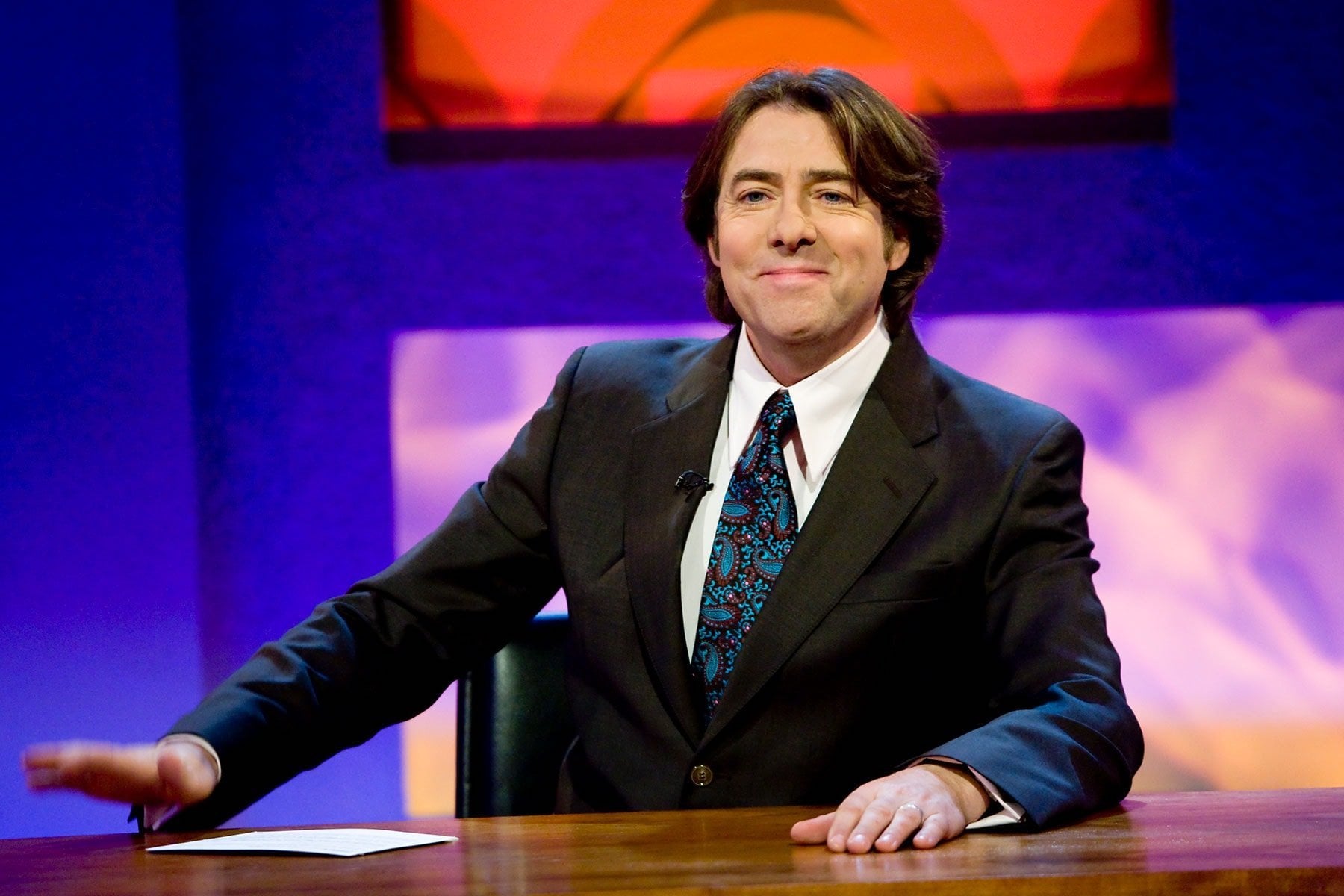
Jonathan Ross is one of the most recognizable figures in British entertainment. For decades, he has shaped television, radio, and popular culture with his sharp wit, unmistakable voice, and fearless interviewing style. Whether hosting prime-time chat shows, lending his voice to radio, or championing film and comics, Ross has built a career that blends intellect, humor, and cultural influence.
This article explores Jonathan Ross’s life, career, achievements, controversies, and lasting impact on British media.
Early Life and Background
Jonathan Stephen Ross was born on 17 November 1960 in St Pancras, London. He grew up in a working-class family and was raised primarily by his mother. From an early age, Ross developed a fascination with popular culture, especially film, television, and comic books.
Despite facing challenges in his youth, including a speech impediment that later became part of his public identity, Ross showed strong academic ability. He attended School for the Gifted and later studied Modern European History at the University of London. His academic background gave him a sharp analytical edge that would later define his interviewing style.
Breaking Into Television
Jonathan Ross began his media career in the early 1980s, initially working behind the scenes in television research and production. His natural confidence, cultural knowledge, and fast thinking soon pushed him in front of the camera.
His early presenting roles included:
- The Last Resort
- The Incredibly Strange Film Show
- The Last Word
These programs allowed Ross to showcase his deep love for cinema, especially cult and unconventional films. Unlike traditional presenters, he spoke passionately and informally, making niche topics accessible to mainstream audiences.
Rise to Fame: The Chat Show Era
Jonathan Ross became a household name with “Friday Night with Jonathan Ross”, which aired on the BBC from 2001 to 2010. The show quickly became one of the most watched chat programs in the UK.
What made Ross different was his approach:
- He mixed humor with genuine curiosity
- He avoided overly scripted conversations
- He asked bold, sometimes awkward questions
- He treated global celebrities and local figures with equal confidence
Hollywood stars, musicians, politicians, and sports icons all sat on his sofa. Ross’s interviews often felt unpredictable, which kept audiences engaged and occasionally shocked.
Salary and Public Debate
At the height of his BBC career, Jonathan Ross became the highest-paid television presenter in the UK. Reports of his salary sparked public debate about broadcaster funding and celebrity pay.
While critics questioned the figures, supporters argued that Ross delivered exceptional ratings and cultural relevance. The debate itself reflected his influence. Few presenters commanded that level of attention or commercial value.
The Russell Brand Controversy
One of the most significant moments in Ross’s career occurred in 2008, during the Russell Brand voicemail scandal. Ross and Brand left inappropriate messages on actor Andrew Sachs’s answering machine, which were broadcast on BBC Radio 2.
The backlash was swift and intense:
- Thousands of public complaints
- Widespread media criticism
- Ross received a formal suspension
- He later issued a public apology
The incident marked a turning point. While it damaged his reputation temporarily, Ross eventually rebuilt public trust through consistency and professionalism.
Moving Beyond the BBC
After leaving the BBC, Jonathan Ross joined ITV, where he launched “The Jonathan Ross Show”. The format remained familiar but evolved with a more relaxed and modern tone.
The ITV era showed a more mature Ross:
- Less controversy
- More reflective interviews
- Greater focus on creative industries
The show reinforced his role as a senior figure in British broadcasting rather than a provocative outsider.
Radio, Voice Work, and Writing
Jonathan Ross is not limited to television. His voice has become iconic in British media.
Radio
Ross has hosted long-running radio shows, especially on BBC Radio 2, where his conversational style suits the medium perfectly. His radio work often dives deeper into music, film, and culture.
Voice Acting
He has lent his voice to animated films and documentaries, adding personality and warmth through narration and character roles.
Writing and Comics
Ross is a lifelong comic book fan. He has written comics and graphic novels, including collaborations with major publishers. His passion for storytelling extends beyond broadcasting into creative authorship.
Personal Life
Jonathan Ross married Jane Goldman, a screenwriter and television producer, in 1988. The couple has children and maintains a relatively private family life compared to Ross’s public persona.
Goldman has had her own successful career, writing for film and television. Their partnership reflects a shared interest in storytelling and creative industries.
Cultural Influence and Legacy
Jonathan Ross’s influence on British media is substantial.
Redefining the Chat Show
He modernized the British chat show by:
- Making interviews conversational rather than formal
- Blending comedy with serious discussion
- Embracing pop culture without elitism
Championing Nerd Culture
Long before geek culture became mainstream, Ross openly celebrated comics, sci-fi, cult cinema, and animation. This helped normalize interests that were once dismissed by traditional media.
Mentorship and Platform Building
Ross has consistently promoted new talent, directors, musicians, and writers by giving them mainstream exposure.
Criticism and Public Perception
Ross has always divided opinion. Some view him as outspoken and irreverent, while others see him as intelligent and culturally important. This tension has followed him throughout his career.
What remains undeniable is his resilience. He has navigated criticism, controversy, and changing media landscapes without fading into irrelevance.
Jonathan Ross Today
Today, Jonathan Ross continues to work across television, radio, and creative projects. His presence may be less dominant than during his BBC peak, but his voice remains influential.
He represents a generation of broadcasters who bridged old television traditions with modern, personality-driven media.
Conclusion
Jonathan Ross is more than a television host. He is a cultural figure who reshaped British entertainment through intelligence, humor, and fearless curiosity. His career reflects both the risks and rewards of authenticity in media.
From late-night chat shows to radio studios, from comic books to cultural debates, Ross has left a lasting imprint on how Britain talks, laughs, and thinks about entertainment.
His legacy is not perfection, but impact—and in that sense, Jonathan Ross stands among the most significant media personalities the UK has produced.